Elegant

personal websites

Why Personal Websites Are the Future of Digital Networking

Why Personal Websites Are the Future of Digital Networking

In today’s digital world, networking is more than just business cards and LinkedIn profiles. Personal websites have changed the way professionals build their online presence, show their skills, and connect with opportunities. Whether you’re a business owner, freelancer, or job seeker, having a personal portfolio website helps you stand out.

personal websites

Why Personal Websites Are Becoming Popular

Traditional resumes and social media profiles don’t always show everything about a person’s skills and personality. Companies and clients want to see more than just a list of qualifications. This is why creating a personal website is so useful—it gives people a deeper look at who you are and what you can do.

Why Personal Websites Are Important for Digital Networking

1. You Control Your Brand

Unlike social media, where you must follow set layouts, a personal site lets you decide how you present yourself. You can choose the design, layout, and content to match your style and personality.

2. A Central Place for Your Work

A personal portfolio website is a single place where you can display your projects, experiences, skills, and testimonials. This makes it easy for employers and clients to see what you have done.

3. Builds Professional Credibility

Some of the best personal websites include detailed case studies, blog posts, or articles that show expertise in a field. Sharing your knowledge on your site can help you stand out as an expert.

4. Helps People Find You Online

A personal website can be designed to appear in search engine results, so recruiters, clients, and other professionals can find you easily. Unlike social media, where visibility depends on platform rules, your website is always searchable on Google.

5. More Opportunities for Networking

A cool personal website can include contact forms, social media links, and options for people to subscribe to your updates. This makes it easy to connect with new people and grow your professional network.

6. Freedom from Social Media Limits

Relying only on LinkedIn, Twitter, or other platforms means you are restricted by their rules and algorithms. A personal website gives you full control over your content and how you share it.

7. Helps You Stand Out in the Job Market

Recruiters and employers like candidates who take extra steps to showcase their skills. Having a personal portfolio website shows that you are creative, dedicated, and serious about your career.

Key Features of a Great Personal Website

1. Simple and Professional Design

Your website should have a clean look, be easy to navigate, and represent your personal or professional brand.

2. Interesting and Clear Content

A good personal site has an About page, an introduction to who you are, and content that highlights your skills and experience.

3. Works Well on Mobile Devices

Many people browse websites on their phones, so your website should be mobile-friendly.

4. Clear Calls to Action (CTAs)

Encourage visitors to take action—whether it’s contacting you, viewing your portfolio, or signing up for updates.

5. Links to Social Media and Contact Information

Make it easy for people to connect with you by adding links to your social media accounts and a contact form.

Conclusion

The future of digital networking is moving towards personalisation and authenticity. Starting a personal website is a smart move for professionals in any field. A well-designed personal site not only improves your online presence but also creates new career opportunities, stronger relationships, and more credibility. Whether you’re a freelancer, entrepreneur, or job seeker, investing in a personal portfolio website can make a big difference in your success.

Why Personal Websites Are the Future of Digital Networking Read More »

Professionally Designed Website Enhances Brand Visibility and Drives Sales

How a Professionally Designed Website Enhances Brand Visibility and Drives Sales

How a Professionally Designed Website Enhances Brand Visibility and Drives Sales

In the digital age, a Professionally Designed Website is more than just an online presence; it is a powerful tool that enhances brand visibility and significantly drives sales. Whether you’re a small business or a large corporation, investing in professional web design services can give you a competitive edge. In this article, we will explore how a pro website design strengthens brand recognition and contributes to business growth.

Professionally Designed Website Enhances Brand Visibility and Drives Sales

Establishing a Strong Brand Identity

A professionally designed website plays a crucial role in shaping a brand’s identity. A well-structured site with a cohesive colour scheme, typography, and visual elements reinforces brand recognition. This consistency fosters trust among visitors and helps businesses stand out in a crowded marketplace.

Key Elements of Brand Identity in Web Design:

• Consistent Branding: Logos, fonts, and colours that align with the brand’s identity.
• Engaging Visuals: High-quality images and videos that capture attention.
• Clear Messaging: Well-crafted content that communicates brand values and unique selling propositions

Enhancing User Experience (UX)

A well-designed website improves user experience, ensuring visitors stay longer and explore the offered products or services. Slow-loading pages, cluttered layouts, and difficult navigation can frustrate users and lead to high bounce rates. A professional website developer optimises design for seamless interaction.

UX Enhancements Include:

• Fast Load Speed: Reducing lag times to keep users engaged.
• Mobile Responsiveness: Ensuring a smooth experience across all devices.
• Easy Navigation: Organised menus and clear calls-to-action (CTAs).

Improving Search Engine Visibility

Search Engine Optimisation (SEO) is a fundamental aspect of professional web design services. A website optimised for search engines ranks higher on Google, making it easier for potential customers to find the business online. SEO-friendly web design improves brand exposure and attracts organic traffic.

SEO Strategies in Website Design:

• Keyword Optimisation: Incorporating relevant terms like “professionally designed website” and “pro website design” in strategic places.
• Clean Code & Structure: Ensuring search engines can crawl and index the website effectively.
• Content Marketing: Integrating blogs and landing pages with valuable information.

Building Credibility and Trust

Consumers trust brands with professionally built websites. A poorly designed site can appear untrustworthy, driving potential customers away. Businesses that invest in professional web design services project a credible and authoritative image, making it easier to convert visitors into paying customers.

Trust-Building Features:

• SSL Certification: A secure website with HTTPS encryption.
• Testimonials & Reviews: Showcasing customer feedback and success stories.
• Professional Design Elements: High-end graphics and intuitive layouts that reflect quality.

Generating More Leads and Sales

A well-structured website does more than attract visitors; it converts them into leads and customers. A pro website design incorporates effective lead generation techniques that guide users towards making a purchase or inquiry.

Sales-Boosting Features:

• Clear CTAs: Buttons like “Buy Now” or “Get a Free Quote” that prompt action.
• Landing Pages: Optimised pages designed for specific marketing campaigns.
• E-commerce Integration: Secure and seamless online shopping experiences.

Competitive Advantage in the Market

In a competitive digital space, having a professionally designed website gives businesses a distinct advantage. Companies with polished, high-functioning websites outperform competitors who rely on outdated or generic templates.

Competitive Edge Benefits:

• Better First Impressions: A modern, aesthetically appealing design creates a lasting impact.
• Higher Customer Retention: Engaging, user-friendly websites encourage repeat visits.
• Scalability: Professionally built sites can grow alongside the business.

Conclusion

A professionally designed website is an essential investment for businesses looking to enhance brand visibility and drive sales. With the help of a professional website developer, companies can build a high-performing website that attracts, engages, and converts visitors. By prioritising professional web design services, businesses can establish a strong online presence, build trust, and achieve long-term success in an increasingly digital world.

If you are looking for a pro website design tailored to your business needs, consider working with an expert in the field to ensure maximum impact and profitability.

How a Professionally Designed Website Enhances Brand Visibility and Drives Sales Read More »

mobile responsiveness

How Mobile Responsiveness Affects SEO and Google Rankings

How Mobile Responsiveness Affects SEO and Google Rankings

In today’s digital age, mobile devices have become the primary means of accessing the internet. With more than half of all web traffic coming from mobile devices, having a mobile-responsive website is no longer an option—it is a necessity. Google has recognised this shift and prioritises mobile responsiveness in its search engine rankings. In this article, we will explore the impact of mobile responsiveness on SEO and Google rankings, and why businesses must invest in mobile-responsive web design.

mobile responsiveness

What is Mobile Responsiveness?

Mobile responsiveness refers to a website’s ability to adapt and display optimally across various screen sizes and devices, including smartphones, tablets, and desktops. A mobile-responsive web design ensures that content, images, and functionalities remain user-friendly and visually appealing regardless of the device used to access them.

How Mobile Responsiveness Affects SEO

1. Google’s Mobile-First Indexing

Google introduced mobile-first indexing, which means that it primarily uses the mobile version of a website to determine its rankings. If a website is not mobile-friendly, it risks lower rankings in search results. Websites that offer seamless mobile experiences have a better chance of ranking higher on Google.

2. Improved User Experience

A mobile-responsive website enhances user experience by providing easy navigation, readable text, and fast loading times. When users find a website difficult to navigate on mobile devices, they are more likely to leave quickly, increasing the bounce rate. A high bounce rate signals to Google that the website does not provide value, which can negatively impact rankings.

3. Faster Page Load Speed

Google considers page speed a crucial ranking factor, especially for mobile searches. A mobile-responsive design ensures that a website loads quickly on all devices, reducing frustration for users and improving SEO performance. Slow-loading websites not only drive users away but also suffer from lower rankings.

4. Lower Bounce Rate and Higher Engagement

When visitors stay on a website longer and engage with its content, Google interprets this as a sign of a high-quality site. Mobile-responsive web design reduces bounce rates by keeping users engaged, improving dwell time, and increasing the likelihood of conversions.

5. Better Local SEO Performance

For businesses targeting local customers, mobile responsiveness plays a critical role in local SEO. Many users conduct “near me” searches on their smartphones. A mobile-friendly website is more likely to appear in local search results, increasing visibility and attracting more potential customers.

Benefits of Mobile Responsive Web Design

• Enhanced SEO Performance: Mobile-friendly websites rank higher on Google search results.

• Increased Traffic: More users access websites via mobile devices, leading to greater organic traffic.

• Higher Conversion Rates: A seamless mobile experience encourages users to take action, whether it’s making a purchase, filling out a form, or contacting a business.

• Competitive Advantage: Businesses with mobile-responsive websites gain an edge over competitors with outdated, non-responsive designs.

• Future-Proofing: As mobile technology evolves, a mobile-responsive website ensures adaptability to new devices and screen sizes.

How to Make Your Website Mobile Responsive

1. Use a Responsive Web Design: Implement a flexible layout that adjusts to different screen sizes.

2. Optimise Images and Media: Ensure that images load quickly without compromising quality.

3. Improve Page Speed: Use caching, compress files, and optimise code to enhance loading speed.

4. Use Mobile-Friendly Fonts and Buttons: Ensure text is readable and buttons are easy to click on smaller screens.

5. Test Regularly: Use tools like Google’s Mobile-Friendly Test and PageSpeed Insights to check your website’s performance.

Conclusion

Mobile responsiveness is a crucial factor in SEO and Google rankings. A website that is optimised for mobile devices not only enhances user experience but also improves search engine rankings, increases engagement, and drives conversions. Businesses that invest in mobile-responsive web design will stay ahead in the digital landscape, ensuring long-term success in online visibility and search engine performance. If your website is not yet mobile-friendly, now is the time to make the necessary changes and reap the benefits of a mobile-optimised online presence.

How Mobile Responsiveness Affects SEO and Google Rankings Read More »

mobile responsive web design

Why Mobile Responsive Web Design is No Longer Optional in 2025

Why Mobile Responsive Web Design is No Longer Optional in 2025

The way users interact with websites has evolved significantly over the past decade. In 2025, mobile-responsive web design is not just an option—it is an absolute necessity. With mobile devices accounting for more than half of global web traffic, businesses that fail to prioritise mobile optimisation risk losing customers, credibility, and search engine rankings. This article explores why mobile-responsive web design is indispensable in 2025 and how it impacts businesses, user experience, and SEO.

mobile responsive web design

The Rise of Mobile-First Indexing

Google officially rolled out mobile-first indexing in 2019, meaning the search engine predominantly uses the mobile version of a website for ranking and indexing. By 2025, mobile-first indexing is the standard, reinforcing the need for a fully optimised mobile experience. Websites that are not mobile-responsive face the risk of lower search rankings, reduced traffic, and diminished visibility in search results.

Key Impacts of Mobile-First Indexing:

• SEO Performance: Websites that do not offer a seamless mobile experience suffer in search engine rankings.

• User Experience: A non-responsive design leads to higher bounce rates and poor engagement.

• Competitive Advantage: Businesses that embrace mobile responsiveness gain an edge over those that do not.

The Growth of Mobile Commerce (M-Commerce)

With the expansion of e-commerce, mobile commerce (M-commerce) has witnessed exponential growth. In 2025, a vast majority of online purchases occur on mobile devices. Consumers expect a frictionless shopping experience with fast-loading pages, intuitive navigation, and secure payment options.

Why Mobile-Responsive Design is Critical for M-Commerce:

• Higher Conversion Rates: A mobile-friendly checkout process leads to increased sales.

• Better Customer Retention: An optimised shopping experience encourages repeat customers.

• Improved Payment Integration: Mobile-responsive designs ensure smooth integration with digital wallets and payment gateways.

The Role of UX and Accessibility

A mobile-responsive website enhances user experience (UX) and accessibility. With users accessing websites on various screen sizes, responsive design ensures consistency and ease of navigation. Moreover, web accessibility standards, such as WCAG (Web Content Accessibility Guidelines), mandate that websites be user-friendly for individuals with disabilities, further reinforcing the importance of responsive design.

UX Benefits of Mobile Responsiveness:

• Adaptive Layouts: Content automatically adjusts to different screen sizes.

• Touch-Friendly Navigation: Buttons and links are designed for easy tapping.

• Faster Load Times: Optimised mobile sites load quickly, reducing bounce rates.

Google's Core Web Vitals and Mobile Responsive Design

Google’s Core Web Vitals—measuring page experience factors like loading performance, interactivity, and visual stability—are now essential ranking signals. Mobile-responsive design directly influences these metrics, impacting overall website performance and SEO rankings.

How Core Web Vitals Affect Mobile Sites:

• Largest Contentful Paint (LCP): Faster loading times improve user experience.

• First Input Delay (FID): Responsive design enhances interactivity.

Cumulative Layout Shift (CLS): Proper scaling and layout adjustments reduce unexpected shifts.

Security and Trust in Mobile Web Design

Users are more security-conscious than ever before. A non-responsive website may appear outdated and unreliable, eroding trust. Secure, mobile-optimised websites with HTTPS encryption, multi-factor authentication, and secure payment options are crucial in 2025.

Key Security Aspects of Mobile-Responsive Websites:

• SSL Certification: Protects user data and builds credibility.

• Secure Payment Gateways: Enhances transaction security.

• Mobile-Friendly Authentication: Ensures seamless and secure user login.

Conclusion: Future Proof Your Website with Mobile Responsiveness

In 2025, mobile-responsive web design is no longer optional—it is an absolute requirement. Businesses that ignore this fundamental aspect risk losing search rankings, customer trust, and sales. By embracing responsive design, companies can enhance user experience, improve SEO performance, and drive higher conversions. Investing in mobile optimisation is not just a trend but a strategic move to future-proof your digital presence.

Final Takeaway

If your website is not yet mobile-responsive, now is the time to take action. Prioritise a seamless, mobile-first approach to stay ahead in the competitive digital landscape.

Why Mobile Responsive Web Design is No Longer Optional in 2025 Read More »

Top 10 Website Design and Development Trends to Watch in 2025

Top 10 Website Design and Development Trends to Watch in 2025

Top 10 Website Design and Development Trends to Watch in 2025

The digital world evolves at a blistering pace, and keeping up with the latest trends in website design and development is essential for businesses aiming to remain competitive. As 2025 unfolds, several key trends are emerging, redefining how websites look, feel, and function. Here, we dive deep into the top ten trends that are shaping the future of web development and design.

Top 10 Website Design and Development Trends to Watch in 2025

1. Progressive Web Applications (PWAs)

Progressive Web Applications (PWAs) continue to blur the lines between traditional websites and mobile applications. By leveraging modern web technologies, PWAs offer a fast, reliable, and engaging user experience. They combine the best features of both platforms, such as offline access, push notifications, and enhanced performance.

Businesses adopting PWAs can reduce development costs by maintaining a single codebase for their website and mobile app. Additionally, PWAs provide a seamless experience across all devices, which can boost user engagement and improve customer retention. Companies like Twitter, Uber, and Pinterest have already adopted PWAs, reporting significant increases in user activity and satisfaction.

2. Artificial Intelligence (AI) Integration

Artificial Intelligence (AI) has become a cornerstone of modern web design and development. AI tools are being used to personalise user experiences, optimise performance, and automate routine tasks. For example, AI-driven chatbots provide real-time customer support, while recommendation engines analyse user behaviour to suggest relevant content or products.

Designers and developers are also benefiting from AI-powered tools that simplify complex processes. Platforms like Wix ADI and Adobe Sensei use AI to create responsive layouts and enhance design efficiency. As AI continues to evolve, its role in shaping smarter, more intuitive websites will only expand.

3. Voice Search Optimization

The rise of voice-activated devices and virtual assistants, such as Amazon Alexa and Google Assistant, has made voice search an integral part of web interaction. Optimising websites for voice search involves adopting natural language processing (NLP), structuring content for featured snippets, and focusing on conversational keywords.

Voice search is particularly impactful for local businesses, as users often make queries like “restaurants near me” or “best shops in [city].” By embracing voice search optimisation, businesses can improve their search engine rankings and provide more accessible solutions for users who prefer voice over text.

4. Dark Mode Design

Dark mode has become a user favourite due to its aesthetic appeal and functionality. It reduces eye strain, improves battery life on OLED screens, and adds a modern touch to website designs. Many websites now include a toggle for dark mode, offering users a choice between light and dark themes.

Beyond its functional benefits, dark mode enhances the visual impact of certain elements, such as images, graphics, and typography. As more users gravitate towards dark mode, incorporating it into web design is becoming a standard practice.

5. Accessibility and Inclusive Design

Accessibility is no longer an afterthought; it is a fundamental aspect of modern web development. Inclusive design ensures that websites cater to all users, including those with disabilities. This involves adhering to the Web Content Accessibility Guidelines (WCAG), which provide standards for creating accessible content.

Key features of accessible design include keyboard navigation, screen reader compatibility, alt text for images, and high-contrast colour schemes. By prioritising accessibility, businesses not only comply with regulations but also reach a wider audience and build a reputation for inclusivity.

6. Minimalist Design and Simplified User Interfaces

Minimalism in web design emphasises simplicity and clarity. By removing unnecessary elements, minimalist designs provide a clean and focused user experience. This approach also improves website performance by reducing page load times and minimising distractions.

Key characteristics of minimalist design include ample white space, bold typography, and intuitive navigation. Websites that embrace minimalism often see higher user engagement rates, as visitors can easily find the information they need without being overwhelmed by clutter.

7. Immersive 3D Elements and Animations

Immersive 3D graphics and animations are transforming the way users interact with websites. Advances in web technologies, such as WebGL and three.js, have made it easier to incorporate these features into web designs.

3D elements can be used for product showcases, interactive storytelling, or gamified experiences. For example, real estate websites use 3D tours to let potential buyers explore properties virtually, while e-commerce platforms allow customers to view products in 360 degrees. These innovations make websites more engaging and memorable.

8. Sustainability and Eco-Friendly Practices

As environmental concerns grow, sustainable web design has become a priority. This trend focuses on reducing a website’s carbon footprint by optimising energy efficiency and choosing eco-friendly hosting solutions. Techniques such as lazy loading, image compression, and streamlined code can significantly reduce energy consumption.

Businesses adopting green practices not only contribute to environmental conservation but also attract eco-conscious consumers. Highlighting sustainability efforts on a website can also enhance brand reputation and foster loyalty among environmentally aware audiences.

9. Augmented Reality (AR) and Virtual Reality (VR)

AR and VR technologies are unlocking new possibilities for user engagement. These immersive technologies allow businesses to offer unique experiences, such as virtual try-ons, interactive product demonstrations, and 3D walkthroughs.

For instance, furniture retailers can let customers visualise how a piece would look in their home using AR. Similarly, VR can be used for virtual events, training simulations, or remote collaboration. As AR and VR become more accessible, their integration into web design is set to increase.

10. Advanced Security Measures

With cyber threats on the rise, implementing robust security measures is essential for protecting user data and maintaining trust. Websites in 2025 are adopting advanced practices, such as multi-factor authentication (MFA), HTTPS encryption, and regular security audits.

In addition, developers are focusing on securing APIs, preventing data breaches, and ensuring compliance with global data protection regulations like GDPR. A secure website not only safeguards sensitive information but also enhances user confidence, which is crucial for long-term success.

Conclusion

The trends shaping website design and development in 2025 reflect a growing emphasis on user experience, innovation, and sustainability. From AI-driven personalisation to eco-friendly practices, these advancements are paving the way for a more efficient and inclusive web.

Businesses that embrace these trends will not only stay ahead of the competition but also create meaningful connections with their audience. As the digital landscape continues to evolve, staying informed and adaptable will be the key to success.

Top 10 Website Design and Development Trends to Watch in 2025 Read More »

Minimalist Website Design

Minimalist Website Design: A Focus on Functionality

Minimalist Website Design: A Focus on Functionality

In a digital landscape saturated with information and visual elements, minimalist website design has emerged as a powerful approach to creating websites that are both visually appealing and highly functional. By focusing on simplicity and clarity, minimalist design ensures that every element on a webpage serves a purpose, resulting in an enhanced user experience and improved website performance. This article explores the principles, benefits and practical applications of minimalist website design.

Minimalist Website Design

The Core Principles of Minimalist Website Design

At its heart, minimalist design revolves around the idea of “less is more.” This philosophy prioritises simplicity, clarity and intentionality. Here are the core principles that define minimalist website design:

1. Focus on Essential Elements: Remove unnecessary elements and features, leaving only those that contribute directly to the purpose of the website.

2. Whitespace Utilisation: Also known as negative space, whitespace enhances readability and directs attention to key content.

3. Clean Typography: Simple, legible fonts are preferred to maintain a professional and uncluttered appearance.

4. Limited Colour Palette: A restricted set of colours helps create harmony and reduces visual noise.

5. High-Quality Visuals: Minimalist websites often feature high-resolution images or vector graphics that align with the overall aesthetic.

6. Functional Layouts: The design prioritises intuitive navigation and user-friendly interfaces, ensuring a seamless browsing experience.

Benefits of Minimalist Website Design

Adopting a minimalist approach to website design offers several advantages:

1. Enhanced User Experience

Minimalist designs make websites easy to navigate. By reducing clutter, users can find the information they need quickly and efficiently. This improves satisfaction and encourages visitors to stay longer.

2. Faster Loading Speeds

With fewer elements and optimised assets, minimalist websites load faster. This not only benefits users but also improves search engine rankings, as page speed is a key factor in SEO.

3. Improved Mobile Responsiveness

Minimalist designs translate well across devices. Their simplicity makes it easier to create responsive layouts that adapt seamlessly to different screen sizes.

4. Stronger Visual Impact

By focusing on a few key elements, minimalist designs create a lasting impression. Whitespace and intentional design choices draw attention to what matters most, such as calls to action or product highlights.

5. Cost-Effective Maintenance

With fewer components, minimalist websites are easier and more cost-effective to maintain. Regular updates and troubleshooting become less complex, saving time and resources.

Practical Applications of Minimalist Design

Minimalist website design can be applied to various industries and purposes. Here are some examples of how it works in practice:

1. E-Commerce Websites

Minimalist design is ideal for online stores, as it allows products to take centre stage. Clean layouts and easy navigation make it simple for customers to browse and purchase items.

2. Portfolio Websites

For creative professionals, minimalist design ensures that their work is the focal point. High-quality visuals and understated typography highlight projects effectively.

3. Corporate Websites

Businesses benefit from minimalist websites that convey professionalism and reliability. A clean design reflects a company’s commitment to quality and attention to detail.

4. Blogs and Content-Focused Websites

Minimalist design enhances readability, making it perfect for blogs. Whitespace and clean typography keep the focus on the written content.

Tips for Implementing Minimalist Design

To create a successful minimalist website, consider these tips:

2. Prioritise Content: Identify the most important information and design around it.

2. Use Grids: Grids provide structure and balance, ensuring a harmonious layout.

3. Optimise Images: Use high-quality visuals that load quickly and complement the design.

4. Embrace Whitespace: Don’t be afraid of empty spaces; they’re essential for creating focus.

5. Test User Experience: Regularly test your website to ensure it meets user expectations for functionality and ease of use.

Conclusion

Minimalist website design is more than just a trend; it’s a timeless approach that prioritises functionality and user experience. By focusing on simplicity and intentionality, businesses and individuals can create websites that stand out in a crowded digital space. Whether you’re designing an e-commerce platform, a portfolio or a blog, adopting minimalist principles can lead to a more engaging and effective online presence.

Minimalist Website Design: A Focus on Functionality Read More »

Case Study Building the Website for Rjs Fried Chicken UK

Case Study: Website Redesign for RJ’s Fried Chicken

Case Study: Website Redesign for Rj's Fried Chicken

Introduction

Rj’s Fried Chicken, a popular takeaway restaurant in Ilford, UK, aimed to enhance its online presence to better serve customers and streamline operations. Partnering with Elegant, Rj’s embarked on a comprehensive website redesign. This case study explores the objectives, process and outcomes of this collaboration.

Case Study Building the Website for Rjs Fried Chicken UK

Objectives

The primary goals for the website redesign included:

• Modernizing the Online Presence: Transitioning from a basic web page to a dynamic, user-friendly platform that reflects the brand’s identity.

• Enhancing User Experience: Ensuring seamless navigation for customers to explore the menu, place orders, and access information.

• Promoting Mobile Accessibility: Developing a mobile-responsive site and introducing dedicated mobile applications.

Process

1. Discovery and Analysis

Elegant conducted an in-depth analysis of Rj’s existing online presence and industry trends. This included reviewing the current website, assessing competitor platforms, and understanding customer expectations.

2. Design and Development

Based on the insights gathered, Elegant crafted a design strategy focusing on:

• Visual Appeal: Creating a vibrant and appetizing aesthetic to showcase menu items.

• Intuitive Navigation: Structuring the site for easy access to different sections, such as the menu, customer reviews, and contact information.

• Responsive Design: Ensuring compatibility across various devices, including desktops, tablets, and smartphones.

3. Integration of Features

Key features integrated into the website included:

• Mobile Application Promotion: Highlighting the availability of Rj’s mobile apps on Google Play and the App Store for enhanced customer convenience.

• Customer Testimonials: Showcasing positive reviews to build trust and credibility.

4. Testing and Launch

The website underwent rigorous testing to identify and rectify any issues. Feedback from stakeholders was incorporated to fine-tune the user experience before the official launch.

Outcomes

The redesigned website delivered several notable benefits:

• Improved User Engagement: The modern design and intuitive layout led to increased time spent on the site and higher interaction rates.

• Streamlined Brand Messaging: By presenting consistent visuals and content, the website now clearly communicates Rj’s unique value proposition.

• Brand Consistency: The website now accurately reflects Rj’s brand identity, strengthening its market position.

• Enhanced Mobile Accessibility: The responsive design and mobile app promotions catered to the growing number of mobile users, expanding the customer base.

Conclusion

The collaboration between Rj’s Fried Chicken and Elegant exemplifies how a strategic website redesign can significantly impact a restaurant’s online presence and operational efficiency. By focusing on user experience, seamless integration, and brand representation, the new website serves as a robust platform for customer engagement and business growth.

Case Study: Website Redesign for RJ’s Fried Chicken Read More »

Case Study Building an Award Winning Website for JC Group by Elegant

Case Study: Building an Award Winning Website for JC Group

Case Study: Building an Award Winning Website for JC Group

Introduction

JC Group, a multifaceted business conglomerate, approached Elegant with a unique challenge: creating a unified online presence that encapsulates its diverse business ventures. With its wide array of services, JC Group needed a website that could effectively showcase each business segment while maintaining a cohesive brand identity. Elegant rose to the challenge, delivering a stunning digital platform that not only met the client’s expectations but also earned industry recognition, securing the Bronze award for Best SME Website at BestWeb.LK 2024.

Case Study Building an Award Winning Website for JC Group by Elegant

Understanding the Client's Requirements

JC Group operates across multiple industries, each with its own target audience and unique value propositions. The client wanted a single website that could:

1. Highlight each business segment individually while presenting them as part of the larger JC Group brand.

2. Ensure seamless navigation for users to explore the distinct offerings.

3. Incorporate a modern and professional design that aligns with the group’s brand ethos.

4. Be scalable and adaptable, allowing for future expansions or additions.

These requirements posed a significant challenge: balancing the individuality of each business with the overall group identity while delivering a user-friendly experience.

Elegant’s Approach

1. Comprehensive Research and Planning

To fully understand JC Group’s diverse portfolio, Elegant conducted in-depth consultations with stakeholders from each business segment. This research phase included:

• Identifying the unique goals and target audiences of each business.

• Analyzing competitors to ensure differentiation.

• Creating a unified brand narrative that ties the businesses together.

2. Crafting the Website Architecture

Elegant’s team developed a robust website architecture that provided dedicated sections for each business while ensuring seamless integration within the overall site. This included:

• Custom navigation menus for intuitive user journeys.

• A centralized homepage that introduces JC Group and directs users to specific business pages.

• Consistent branding elements across all pages to maintain cohesion.

3. Designing a Modern and Responsive Interface

Elegant’s designers prioritized a clean and professional aesthetic. Key features include:

• Responsive design to ensure optimal performance across all devices.

• Visually engaging layouts that use high-quality images, icons, and infographics.

• Dynamic content sections for showcasing news, updates, and achievements.

4. Implementing Advanced Functionality

The website incorporates advanced functionalities to enhance user engagement, such as:

• Interactive contact forms for easy inquiries.

• Search engine optimization (SEO) strategies to improve visibility.

• Search functionality, enabling users to find information quickly and efficiently.

Overcoming Challenges

One of the major challenges was integrating multiple business units into a cohesive digital platform without compromising their individuality. Elegant’s solution was a combination of:

• Strategic content segmentation, ensuring each business had a distinct presence.

• Custom-designed templates for individual pages to reflect the uniqueness of each business while maintaining a consistent brand identity.

• Streamlined navigation that allows users to effortlessly switch between sections.

Achievements and Recognition

The success of the JC Group website is reflected in its reception and accolades. Key achievements include:

1. Seamless integration of multiple businesses into a single platform, enhancing brand synergy and user experience.

2. Industry recognition, with the website earning the Bronze award for Best SME Website at BestWeb.LK 2024. This accolade highlights Elegant’s commitment to excellence and innovation in web development.

3. Increased online visibility and user engagement for JC Group, contributing to the growth of its business ventures.

Conclusion

The JC Group website stands as a testament to Elegant’s expertise in web development and branding. By successfully addressing the challenge of unifying multiple businesses under one digital roof, Elegant not only met the client’s expectations but also set a new benchmark for SME websites in Sri Lanka. This project demonstrates the power of strategic planning, innovative design, and technical excellence in creating impactful digital experiences.

For businesses seeking tailored web solutions, Elegant remains the go-to partner for turning challenges into opportunities and delivering award-winning results.

Case Study: Building an Award Winning Website for JC Group Read More »

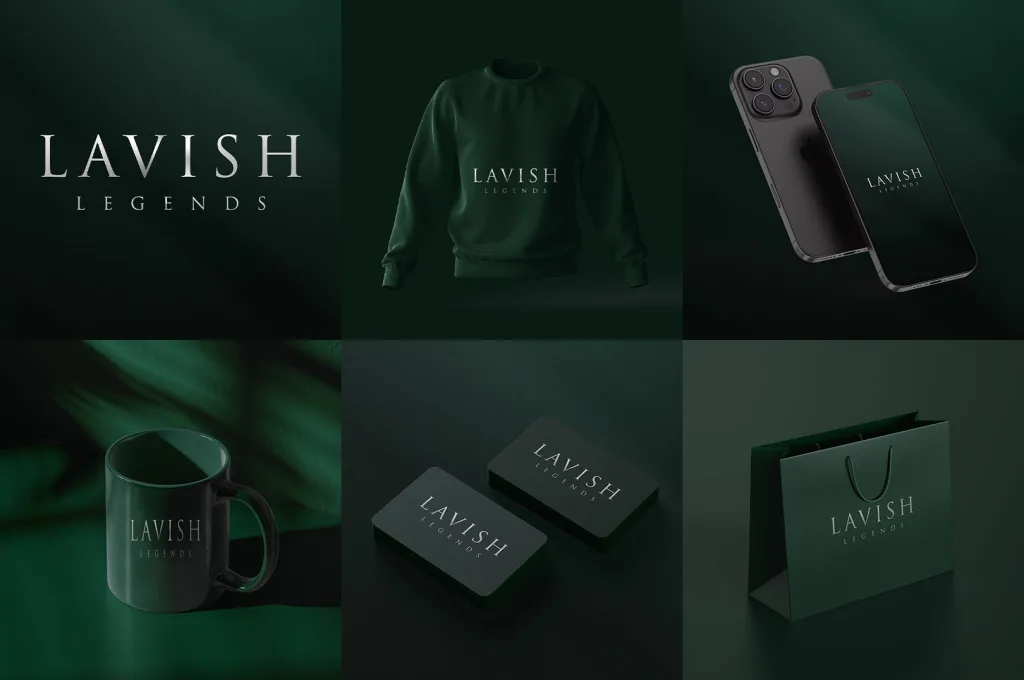
Logo Design for Lavish Legends

Case Study: Logo Design for Lavish Legends

Case Study: Logo Design for Lavish Legends

Client: Lavish Legends
Industry: Digital Media and Publishing

The Client’s Vision: Lavish Legends is a sophisticated E-magazine that aims to redefine luxury and elegance while catering to a high-end audience. When they approached us, their requirement was clear – to create a logo that would stand as a beacon of modern sophistication, timeless luxury, and exclusivity. They envisioned a sleek design that aligned with the essence of their brand and captivated their audience with minimal yet impactful aesthetics.

Logo Design for Lavish Legends

Design Approach

Understanding the client’s core values and target audience, we developed a logo that encapsulates the following principles:

1. Simplicity with Elegance

The Lavish Legends logo is designed to exude class and sophistication while remaining minimalistic. The refined serif typography reflects professionalism, luxury, and a timeless appeal.

2. Color Psychology

Deep Green Background: Represents wealth, refinement, and growth, emphasizing the luxurious and sophisticated nature of the brand.

Metallic Silver Text: Signifies modernity, innovation, and opulence, creating a striking contrast against the rich green backdrop.

3. Typography and Style

Font Choice: A modern serif font with clean, sharp lines to deliver elegance and readability.

Design Style: Subtle gradients in the metallic silver text add depth and a three-dimensional quality, making the logo visually engaging and memorable.

4. Brand Identity Alignment

The logo aligns with Lavish Legends’ brand identity by presenting a high-end and exclusive feel. The simplicity and boldness make it versatile for both digital and print mediums, ensuring strong brand recognition.

Brand Guidelines Developed

To maintain consistency, we provided Lavish Legends with a detailed brand guideline for their logo usage:

• Primary Logo: Deep green background with metallic silver typography.

• Secondary Logo: Optional monochrome version for minimal or neutral applications.

• Usage Guidelines: Ideal scaling, clear space, and contrast rules to ensure the logo retains its elegance across various platforms and mediums.

Challenges We Overcame

Creating a logo for an E-magazine required balancing luxury and digital compatibility. Our design addressed:

Ensuring the logo is scalable for digital platforms (e.g., websites, social media, e-books).
Achieving an eye-catching yet professional design that appeals to a global audience.
Embedding the brand’s high-end identity while keeping it relatable and visually inviting.

The Final Outcome

The Lavish Legends logo is a masterpiece of simplicity and luxury. It establishes a strong, recognizable identity while resonating with the magazine’s target audience. The design effortlessly communicates the magazine’s mission to be a pioneer in trends, lifestyle, and elegance.

We’re proud to have collaborated with Lavish Legends to bring their brand identity to life and create a logo that reflects their vision with precision and creativity.

Case Study: Logo Design for Lavish Legends Read More »

Logo Design

Case Study: Logo Design for Rj’s Fried Chicken

Case Study: Logo Design for Rj's Fried Chicken

Client: Rj’s Fried Chicken, United Kingdom
Industry: Food & Beverage (Fast Food)

Objective: To create a visually striking, memorable logo that reflects the essence of Rj’s Fried Chicken – a provider of flavorful, high-quality fried chicken, appealing to a diverse audience in the UK.

Logo Design

Design Approach

Research: A deep dive into Rj’s Fried Chicken’s values, target audience and competitors was conducted. The goal was to highlight the brand’s uniqueness and position it as a standout in the fast-food market.

Design Concept

Symbolism:

The rooster head symbolizes energy, confidence, and a connection to freshness and premium quality. The sharp, fiery design conveys boldness and passion, aligning with the brand’s commitment to exceptional taste.

Color Palette:

• Red: Represents passion, energy, and appetite stimulation, making it ideal for the food industry.
• Black: Adds a layer of sophistication and boldness, ensuring the design remains impactful across mediums.

Typography:

A clean, modern font conveys friendliness and approachability, ensuring readability while maintaining brand appeal. The rounded edges of the typeface soften the overall impact, making it inviting for customers.

Tagline Integration:

“Where You Find The Real Taste” was seamlessly incorporated to underline authenticity and highlight the brand’s expertise in delivering delicious fried chicken.

Execution

• The design was tested for scalability and versatility, ensuring it remained impactful on all platforms, from digital menus to packaging.

Iterative feedback from the client ensured alignment with their vision and expectations.

Outcome

The finalized logo effectively captures Rj’s Fried Chicken’s bold, flavorful identity. It’s versatile and attention-grabbing, making it a perfect fit for use across branding materials, advertisements, and social media platforms. The design successfully communicates the brand’s promise of authenticity and premium taste.

Brand Guidelines

• Logo Usage: Ensure a clear, clutter-free background to maximize the logo’s impact. Maintain the aspect ratio for consistent representation.

• Color Specifications: Use the exact red and black shades defined in the color palette for uniformity.

• Typography: Utilize the approved font for headlines and brand communication to maintain coherence.

• Tagline Placement: The tagline should always appear proportionate and in proximity to the main logo.

Key Takeaway

Strategic use of colors, bold symbolism, and cohesive design elements can elevate a brand’s identity, fostering customer recognition and loyalty. Rj’s Fried Chicken’s logo serves as a testament to the power of thoughtful branding in a competitive industry.

Case Study: Logo Design for Rj’s Fried Chicken Read More »

Scroll to Top